What is stamp duty?
If you think stamp duty sounds like an old-fashioned term more at home in renaissance Europe than modern-day Australia, you’re not far wrong! Stamp duty originated in Venice and Spain in the early 1600s.
Think of stamp duty as a tax that you pay when buying a property.
The idea was a payment to have a government officially physically stamp documents. The benefit for individuals was that the documents were then legally binding. The benefit for governments was to gain income and have a record of who owns which property.
In our digital age, documents are rarely literally stamped but the collection of stamp duty continues. NSW even had a Stamp Duties Act until 1997 when it was replaced with the more generic Duties Act. And, some states, including NSW, are starting to phase out stamp duty and replace it with an annual land or property tax.
Who collects stamp duty?
Within Australia, the collection of duties is a state and territory responsibility, so details and amounts payable vary from state to state. This article focuses on stamp duty in New South Wales (NSW).
The income the government gains from collecting stamp duty goes into general revenue along with taxes that pay for government services like hospitals, schools and roads. So, paying it is not a bad thing in principle but there’s no doubt a stamp duty bill can hit hard financially among all the other costs associated with buying a home.
How much is stamp duty in NSW?
As we’ve mentioned, stamp duty amounts vary between Australian states. Within each state, stamp duty increases along with the price of the home (and changes each year according to inflation) but is usually within the tens of thousands of dollars.
As a ballpark estimate, for a non-first home buyer a home in NSW worth $850,000 would attract stamp duty of $33,648, whereas one worth $1 million means stamp duty of $40,398.
So, what is the formula for stamp duty in NSW? The easiest way to estimate stamp duty is to use the Revenue NSW Calculator. This calculator talks about ‘land’ but this is the option you should choose whether you are buying vacant land, a house or a house-and-land package. You can use the calculator experiment with different purchase prices.
Stamp duty is an ‘upfront cost’, meaning that you need to have the funds available rather than adding the amount to your home loan. Check with your mortgage broker for specific details and, if you are concerned about how you’ll finance your new home, read some great tips here.
Two pieces of good news if you’re considering purchasing a house and land package, like one of Sakian Homes quality options:
- You pay stamp duty only on the value of the land
Stamp duty is significantly less when buying land rather than an already complete property. That can constitute a major saving, especially for someone making their first move onto the property ladder. - You can apply to defer your stamp duty payment for up to 12 months
When buying a home off-the-plan to use as your main place of residence, you can delay payment of your duty to whichever of these two options happens later:a. The date the property is handed over (after completion), or
b. For 12 months following the signing of you agreement
Is there a discount for first home buyers? Can stamp duty be free in NSW?
If you’re asking yourself ‘How do I avoid stamp duty in NSW?’ or ‘Is stamp duty ever free in NSW?’, you’ll be pleased to hear that, if you are a first home buyer, you’re eligible for reduced stamp duty through a scheme called the First Home Buyer Assistance Scheme (FHBAS).
If your home costs less than $650,000, you’re eligible for a duty exemption. Yes, you heard that right – in NSW, first home buyers purchasing a property under $650,000 (or land valued at less than $350,000) will not pay stamp duty.
If your chosen home costs between $650,000 and $800,000, first home buyers are eligible for a reduction on stamp duty (if you are buying land, the amounts are between $350,000 and $450,000).
To be eligible for the First Home Buyer Assistance Scheme, you need to be an Australian citizen or permanent resident. You can be buying an existing home, a newly built home or vacant land on which you intend to build a home.
You must move into the home within 12 months of purchase and live there for at least six months continuously. The scheme is not available for holiday homes or properties that include a business.
If your first home will cost between $650,000 and $800,000, you can calculate how much stamp duty you will pay, as well as how much the First Home Buyer Assistance Scheme will save you by using a stamp duty calculator – we recommend the NSW Government First Home Buyers Revenue calculator.
Of course, many homes are now priced at well over $800,000. In fact, the Australian Bureau of Statistics says that the mean price of residential dwellings in NSW is over $1.1 million (the highest in Australia).
Is the FHBAS different to the First Home Owner Grant?
If you buy a property for your first home that’s newly-built, in addition to the exemptions or concessions offered through the First Home Buyers Assistance Scheme, you are also eligible for the First Home Owners Grant (FHOG), which offers $10,000 towards the cost of a newly built home.It can be for a house, apartment, townhouse or unit for which the land and building is worth less than $750,000. The grant is just one of the many benefits of house and land packages.
I’ve also heard I have a choice to pay a smaller amount each year instead of stamp duty?
Yes! In the 2022-2023 Budget delivered on 21June 2022, the state Government announced that first home buyers who are purchasing a property in NSW worth up to $1.5 million will have a choice between paying:
* A one-off stamp duty amount
* A smaller but annual property tax.
The size and terrain of your land are likely to be the biggest factors determining your ultimate site costs. According to hipages.com.au, site works vary from about $12,000 for a relatively flat surface, up to approximately $25,000 for a sloping block.
For uniquely shaped blocks, lots with difficult access, or land with a pre-existing structure, your sites costs could add up to even more. To avoid an unexpected budget blow out when building from scratch, be prepared for financial surprises even before you start shopping for your ideal block.
What to know before you buy
As a buyer, it’s reassuring to know exactly what you’re actually paying for. The ‘base price’ advertised by some builders might be attractive, but is often well below the final amount needed to finish a house. That’s why Rawson Homes’s Better Price model is based on an all-inclusive tender amount so you can Build Confident without any costly surprises. Once your land is registered, and access is granted, the Rawson Homes team can develop your all-inclusive tender so you can get started on solid foundations.
Soil and contour tests
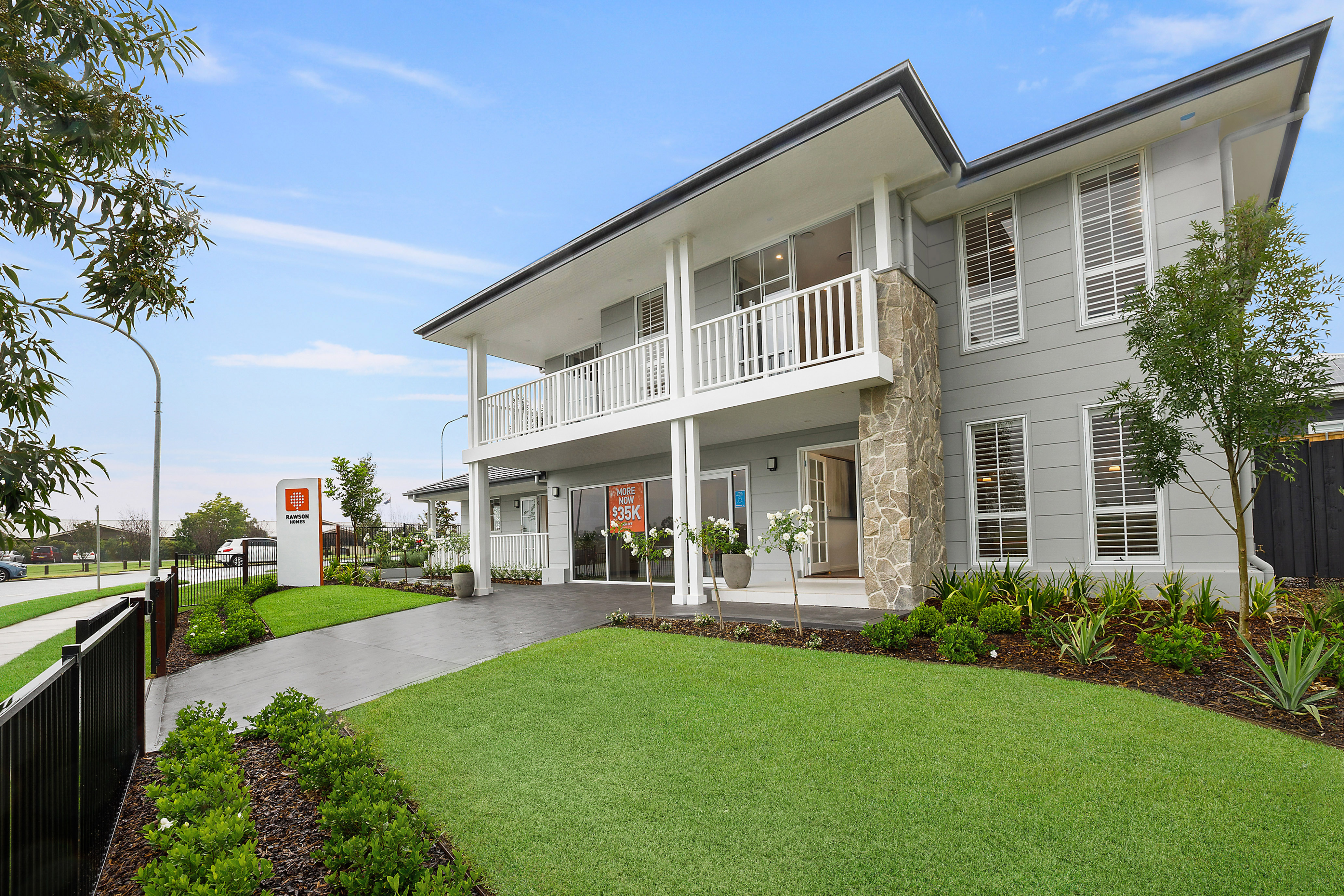
Some builders don’t automatically complete soil and contour testing at tender stage, but instead provide an estimate what it might cost. While soil tests analyse the moisture content, salinity and baring capacity of the ground, a contour survey maps the terrain so your builder knows what levels your home can be built at. Rawson Homes completes a full site investigation before providing a tender, because it’s the only way to design and price the foundations of your home accurately.
Site cutting and filling
Your builder should be the first to level with you that the greater the slope, the more it will cost to prepare your block. While many land developers will have levelled their lots in new estates, it’s not always the case. If excavators need to be brought in to cut (remove earth) or fill (add earth) then expenses will accumulate. Once the land is either cut or filled, your site then needs to be compacted so any air is removed from the earth.
Rocky ground and stumps
In a perfect world, your block would be made up of easily manageable soil, but it’s not always obvious what’s lying under the surface — especially with knockdown rebuild projects. Even land that has been previously assessed can get off to a rocky start or you could hit a tree stump along the way so have a little wriggle room in your budget for such eventualities.
Water works
Water. You can’t live without it, but you also don’t want poor drainage or a burst pipe raining on your parade halfway through a build. A site without the right water flow can cause headaches and cost money, so discuss with your builder whether all underground plumbing is mapped and ready to go before building works begin.
BASIX assessment
The NSW government requires new homes to comply with BASIX (also known as the Building Sustainability Index) regulations. The purpose is to improve the sustainability of our houses by meeting a number of energy and water reduction targets. Be sure your builder has sufficiently quoted for all the inclusions your home will need to pass BASIX.
Preparing the slab
It may be hiding under your house, but the slab is a vital part of your build. Slabs come in different classes (at varying prices) designed to match the type of soil on your block, so it’s important to get it right and know the cost from the outset. To ensure you’re on stable ground for years to come, the piers under a slab also need to be perfectly suited to your structure.
Bushfire and flood zones
When building in a bushy neighbourhood, or near a national park, your property may need a Bushfire Attack Level (BAL) rating, which measures the severity of exposure to bushfire damage. Homes in flood-prone areas need to be designed in a way so that even extreme weather conditions will not harm the property — or anyone in it. These exceptional requirements help protect your house if disaster strikes, but they also come with an extra price tag.
Driveways and landscaping
A home is not just about the house, but the whole package. Driveways, landscaping and retaining walls can often be left off tenders despite being important additions. Your block (and the finished look you want) will dictate the cost of your driveway and the surrounding landscaping. Not just an after thought, driveways must meet Australian Standards in terms of the type of material used and gradient. All these extras also add up so its worth discussing the price early on.
If you’re ready to talk about building a new home and would like to discuss what comes next, get in touch with a Rawson Homes team member today or come and visit one of our display homes.
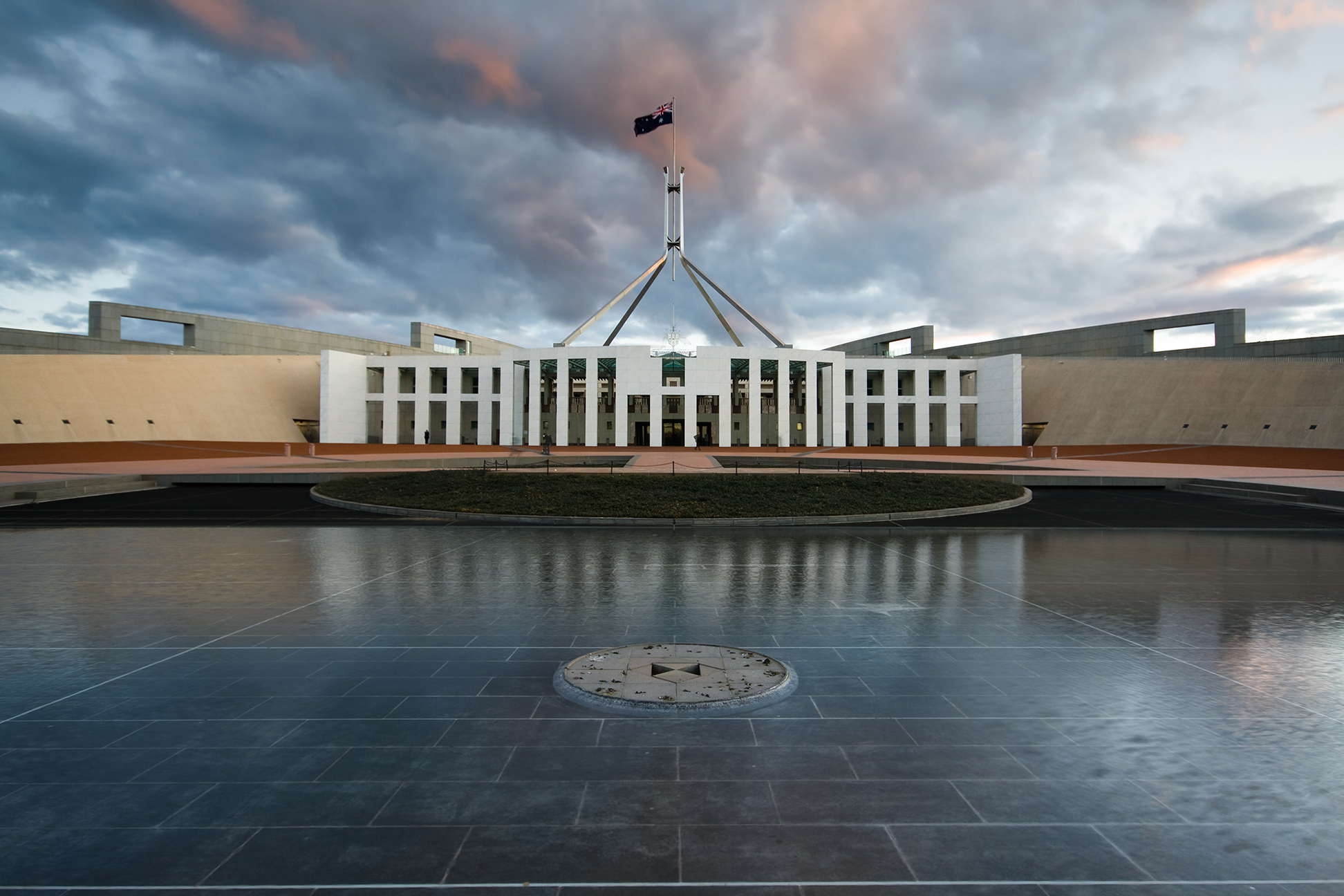
]]>Where you build your home is also a significant factor in the cost of construction. Canberra is currently the second most expensive Australian city in which to buy an established property with a median house price of $999,755 (only behind Sydney’s $1.36 million reported by CoreLogic in November 2021). For a more precise idea of your ACT building budget, there are a few questions you should consider asking yourself (and your builder) before you get started.
Is it cheaper to buy or build a house?
Building a new home can be the best way to tick all your “must-have” boxes. You can start with a blank slate, and create something that perfectly suits your family’s lifestyle, both now and in the future. Of course, building a new home can require a little patience – buying a pre-existing home means you can move in right after settlement. However, if you don’t love the layout or finishes there could be lengthy — and possibly pricey — renovations to consider.
The added bonus of building a new home in a rising market (like in Canberra, where house prices increased 24.5 per cent in the year to November 2021 according to CoreLogic) there is the probability of gaining equity from the day you move in. By the time you receive the keys, your new home could be worth significantly more than what it cost to build.
Certain government grants and financial schemes can also make it cheaper to build a new home rather than buying an existing property. The first home owners’ grant is available as a one-off payment of $7,000 for ACT residents who meet the eligibility criteria and can be used against the purchase price of a new-build property. The grant can also be used for a property that has been “substantially renovated” – although this usually only applies to “change of use” properties (i.e. a home that hasn’t previously been occupied or sold as a place of residence).
How do I calculate my construction costs?
A helpful way to work out your new-build budget is to start with a square metre price. Australian Bureau of Statistics figures from 2020 showed the average cost of building a new home was $1,393 per sqm, although material and labour costs can vary. Other variables not included in the data are things like personalised design elements, site-specific works, planning permits and development applications.
In the ACT, as with Sydney and most parts of NSW, land is likely to be your most significant cost when building a home. Data from the Urban Development Institute of Australia’s 2021 State of the Land report revealed the average block price for the ACT was $417,000 in 2020. The research also showed that the ACT’s median lot size was 507 sqm, therefore land averages out to about $822 per sqm.
When it comes to the build itself, the Canberra Riders Digest 2021 report (produced by independent global construction and property consultancy Rider Levett Bucknall) puts the low range of construction (excluding land, legal fees and site costs) at around $1700 per sqm while the high range is about $3400 per sqm.
What do I get for my money?
It can be a case of buyer beware because not everything is included in the advertised price of a new home. Many builders’ marketing brochures or websites will show what a “base price” which usually includes the basics needed to get the home to lock-up stage.
Sakian Homes’ Better Price model means that the tender presentation includes all costs upfront, with transparency throughout the whole design and build process and no nasty surprises.
How does the neighbourhood impact the cost?
Often referred to as Australia’s Bush Capital, Canberra is known for its wide-open spaces and relatively small population of 431,500, which is set to hit 500,000 by 2030. It has low-density living, good walkability to amenities and great connectivity.
These lifestyle attributes are important to consider when choosing a block of land. For example, some of Canberra’s newest suburbs Strathnairn and Denman Prospect will include public primary schools, shopping centres and parks, infrastructure that will ultimately add value to your future home.
What are the hidden costs of building a new home?
Even before work starts on your new home, expenses can start to add up. Site work costs can surprise new owners and vary depending on the size and type of the block – or if there is a pre-existing structure on it. When undertaking a knockdown rebuild project with Sakina Homes you can be sure the costs of demolishing existing buildings are included in your tender.
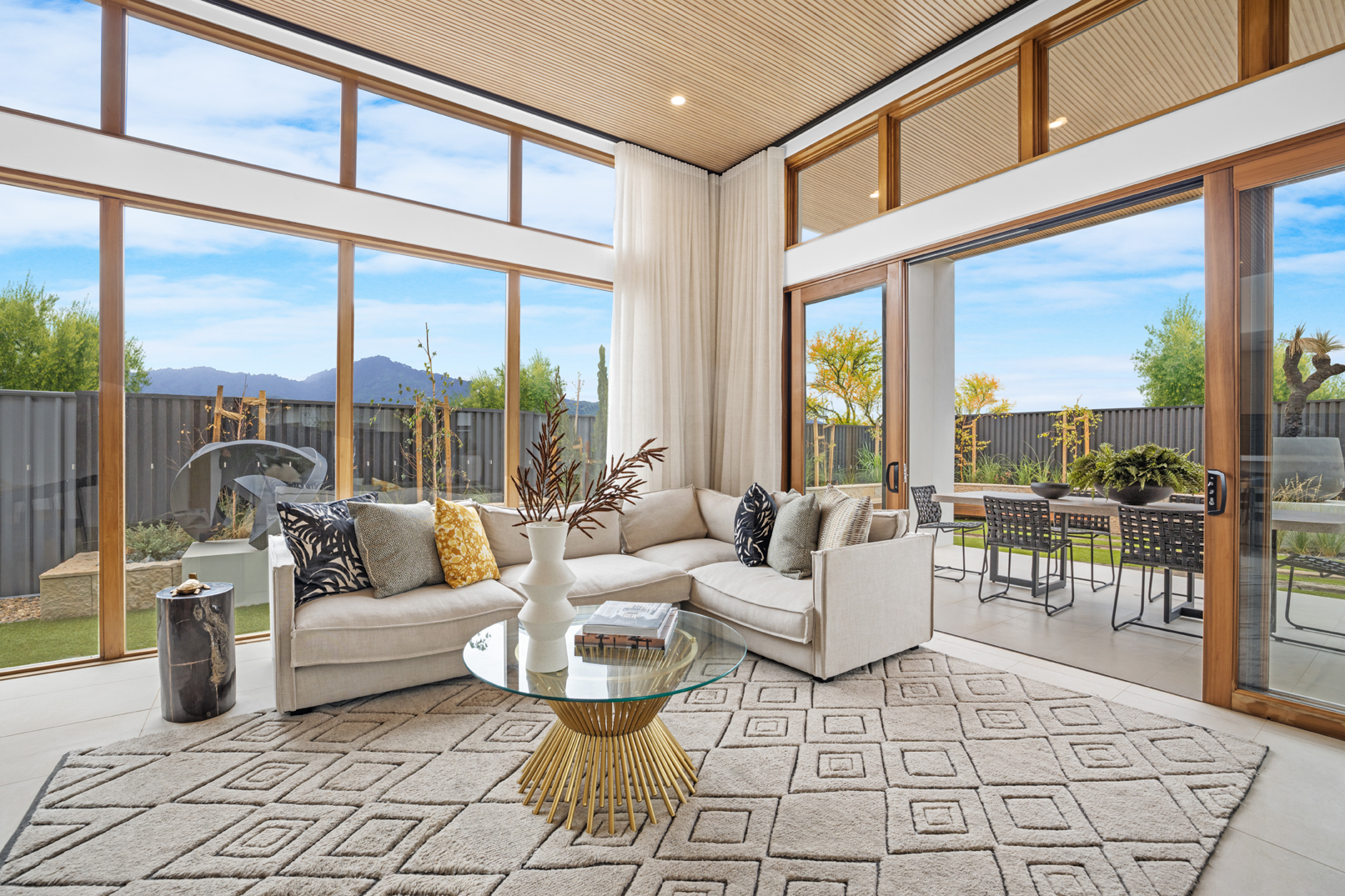
Online platform hipages.com.au, which connects Australians with trusted tradespeople, estimates these site costs start from about $12,000 for a relatively flat surface, up to approximately $25,000 for a sloping block.
Additional expenses can include connections to services such as water, sewerage, electricity and gas, plus other costs like roofing, fencing, retaining walls and landscaping. Just be sure to read the contract fine print and negotiate possible changes before signing, otherwise variation fees can pile up.
Ultimately, building a home is very personal so the outcome (and costs) will be different for everyone. Reach out to a Sakian Homes consultant today so you can get a good idea of your building budget right from day one.
]]>